
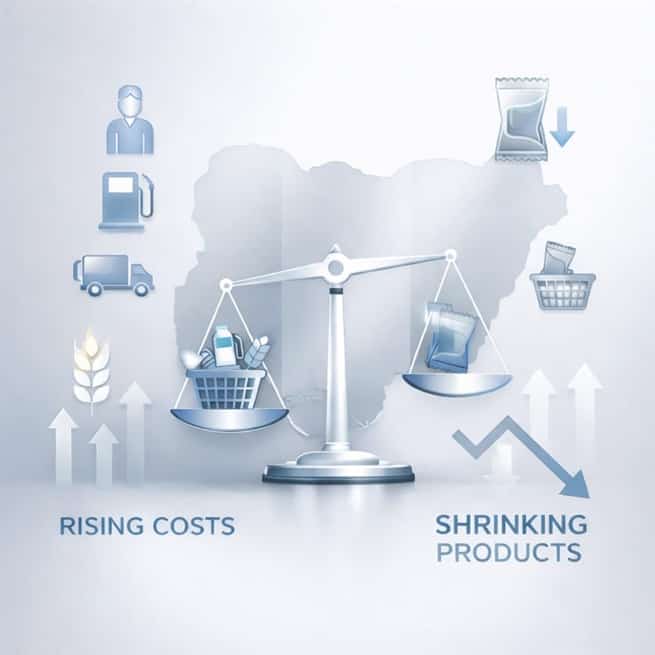
The grocery bill feels different.
You walk into the store with the same budget you used a few months ago. Same shopping list. Same brands.
But somehow everything finishes faster.
Your cereal box empties more quickly.
The bag of chips looks suspiciously lighter.
The price tag? The same.
There’s a name for this phenomenon: shrinkflation.
What is shrinkflation?
Shrinkflation occurs when companies reduce the size or quantity of a product while keeping the price the same or even raising it. Instead of hiking prices outright, brands quietly give consumers less. Examples include:
- A chocolate bar that used to be 200g now weighs 170g.
- A bag of chips with more air than snacks.
- A cereal box that looks the same but holds fewer grams.
- Thinner soap bars.
The shelf price stays the same, but the price per gram, litre, or unit quietly rises. Economically, it’s a form of hidden inflation.
Why do companies do it?
Businesses face rising costs just like consumers do. When the cost of raw materials, transportation, packaging, and labour increases, companies must decide how to respond.
They typically have two options:
1. Raise the price: This is the most obvious solution and the riskiest. Consumers notice immediately and may switch brands.
2. Reduce the quantity: This option is more subtle. Many shoppers won’t notice a slight size reduction, especially if the packaging looks similar.
Companies choose shrinkage to protect profit margins without a visible price shock.
The psychology behind it
Shrinkflation works because most shoppers don’t closely track product sizes. People remember prices more than measurements.
If your usual snack still costs ₦1,500, your brain assumes nothing changed even if the weight dropped from 180g to 150g. Companies reinforce this by redesigning packaging, tweaking container shapes, or adding phrases like “new look, same great taste.”
Now consumers get less for the same money. A 5kg bag of rice might shrink to 4.5kg, or cooking oil bottles hold fewer millilitres, and families find themselves returning to the market sooner, stretching tight budgets as wages lag.
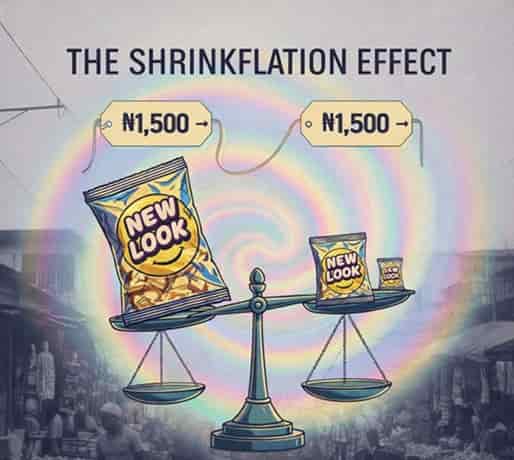
Is shrinkflation illegal? No. As long as companies accurately list weight, volume, or quantity on packaging, it’s legally compliant (per NAFDAC standards in Nigeria). That’s why it’s a grey zone: not fraud, but often feels deceptive.
How to spot shrinkflation
Companies rely on shopper inattention. Habits that help you beat shrinkflation include:
- Check net weight (focus on grams or litres, not just price).
- Compare unit prices; the price per gram or litre shows true value.
Track regulars; if something finishes faster, investigate. Your wallet notices before your eyes do.
Smart ways to protect your budget
You can’t stop shrinkflation, but you can fight back. Ditch blind brand loyalty for value hunting:
• Compare the price per gram across brands before buying.
• Buy in bulk only when it truly saves you money.
• Swap premium products for cheaper alternatives.
• Switch when sizes shrink.
Awareness (checking sizes and unit prices) is your best defence. Once you start, shopping will never look the same.
The bigger economic picture
Shrinkflation is subtle, legal, and everywhere. It signals broader inflation, not the root cause.
The price tag may stay the same, but the value you receive slowly shrinks.
When production costs rise across the economy, companies adjust in whatever way keeps them profitable.
Some increase prices. Some shrink products. Many do both.
For policymakers, this questions whether traditional stats fully capture consumer pain.
Keep reading
Related Topics





Conversation
Comments (0)
Sign in to join the conversation or like this post.