
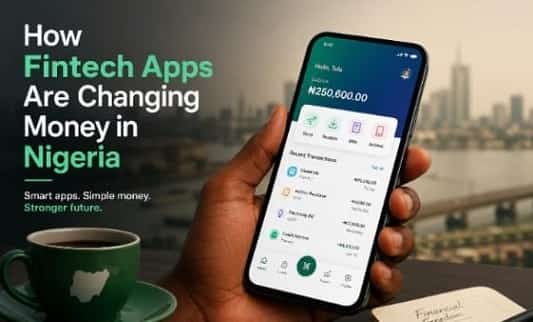
Walk into any market in Lagos today and there's a good chance the trader collecting your payment will say "just transfer." Not bank transfer. Not USSD. OPay. PalmPay. Moniepoint. The word "transfer" has become shorthand for a whole new financial system that most Nigerians built into their daily lives in less than a decade.
This is the fintech story, and Nigeria is at the centre of it.
The Numbers Tell the Real Story
Mobile money platforms processed over 108 billion transactions globally in 2024, and Nigeria was one of the biggest engines behind that number. Mobile money isn't a convenience feature anymore; for millions of Nigerians, it's the primary way money moves.
Nigeria also hosts about 28% of Africa's fintech companies, making it the undisputed capital of the continent's digital finance revolution.
Nigerian fintechs raised over $520 million in 2024, topping Africa's funding charts despite global interest rate headwinds. 2025 saw a pullback, with total startup funding dropping to an estimated $343 million, though capital remained concentrated in a handful of major rounds.
The sector isn't just growing, it's compounding.
Mobile Money Operators in Nigeria processed ₦71.5 trillion ($91 billion+) in transaction value in 2024, a 53.4% jump from ₦46.6 trillion the year before, driven largely by the 2023 cash scarcity crisis and the CBN's cashless policy push. The result is a country that has quietly leapfrogged decades of traditional financial infrastructure in just a few years.

What Changed, and Why It Happened Here
Traditional banks failed Nigeria long before fintech arrived. Opening an account meant showing up at a branch during banking hours, on a weekday, with utility bills, a referral letter, and hard copies of your ID. If you lived far from a branch, worked during the day, or couldn't produce a tenancy agreement, the system simply had no place for you. Accounts were tied to specific branches, minimum deposits were mandatory, and approval could take days or weeks.
Branches were concentrated in urban centres. Transfer fees were punishing. About half of Nigeria's adults remained unbanked or underserved not by choice, but because the system wasn't built for them.
Then came smartphones, cheaper data, and founders who looked at that gap and saw an opportunity.
OPay launched its mobile wallet in Lagos in 2018. PalmPay followed. Kuda came in with a promise of zero-fee banking. FairMoney started giving out instant loans through an app. These companies understood what traditional banks didn't, that most Nigerians didn't need a branch. They needed a phone and a working internet connection.
"Your phone is your bank" is no longer a slogan. For millions of Nigerians, it's just reality.
The Apps Reshaping Everyday Life
The real story of Nigerian fintech isn't in the funding rounds or the valuation headlines, it's on the street.
1. Payments and wallets: PalmPay and OPay now sit at the top of Nigeria's fintech ratings, with PalmPay holding the highest number of user reviews among all fintech apps in the country. PalmPay alone has grown to over 35 million registered users and more than 600,000 merchants, processing up to 15 million transactions daily. That's not just adoption, that's infrastructure.
2. Digital lending: Lending platforms now account for over 35% of all fintech firms in Nigeria. For the market woman who needs ₦50,000 to restock before Saturday, or the small business owner waiting on a client payment, digital credit is life-changing access. FairMoney alone disburses 10,000 loans every day. The sector disbursed ₦150 billion in loans in 2025, far outpacing traditional microfinance institutions.
3. Savings and investing: Apps like PiggyVest have changed how Nigerians think about saving. Users can automate savings, lock funds for goals, and earn up to 20% per annum on some instruments, significantly more than what most traditional banks offer.
Investment platforms like Bamboo, Risevest, Cowrywise, and Trove are also opening doors that were once firmly shut: everyday Nigerians can now buy US and Nigerian stocks directly from their phones, with Bamboo alone serving over 500,000 registered investors across 3,500 assets.
4. Dollar savings and cross-border payments: Platforms like Grey (formerly Geegpay) help Nigerians earn, receive, and save in USD, GBP, or EUR, a crucial lifeline in a naira environment that has seen significant depreciation. For freelancers, remote workers, and diaspora families, this feature alone justifies the shift to fintech.
5. SME digitalization: Moniepoint and similar platforms have transformed how small businesses handle payroll and vendor payments. The days of stuffing envelopes with staff salaries or driving across town to make supplier payments are fading fast. Fintech has made running a small business faster, more secure, and more traceable.
The Problems Fintech Hasn't Solved Yet
Let's be honest: the story isn't all growth charts and app ratings.
In April 2024, the CBN ordered a freeze on new customer onboarding for several major platforms: including OPay, PalmPay, Paga, Moniepoint, and Kuda Bank, over concerns that these platforms were being exploited for illegal forex transactions linked to cryptocurrency trading. The freeze rattled confidence and exposed how quickly regulatory action can disrupt millions of users who now depend on these apps as their primary bank.
Digital lending has also created its own dark side. Predatory loan apps have emerged alongside legitimate platforms, using aggressive repayment tactics and harvesting contact data to shame and harass borrowers.
The Nigerian Federal Consumer and Competition Protection Commission's 2025 Digital Lending Regulations now require all digital lenders to register, disclose fees and terms, and follow ethical practices, with nearly 500 platforms now registered as a result. The regulation was overdue.
There are other friction points too:
- Fraud and scams are rising alongside adoption, and many users lack the financial literacy to identify red flags.
- Data privacy remains a serious concern, especially for apps that request broad access to contacts and device data.
- App downtime and failed transactions, though improving, still cost Nigerians money and time.
- For Nigerians in rural areas with inconsistent internet access, the promise of fintech is still largely theoretical.
Convenience without caution can backfire. As fintech grows, so does the need for users who understand both the opportunity and the risk.
What Comes Next
The CBN's Payments System Vision 2025 and open banking framework have already begun reshaping the landscape, unlocking a new generation of personalised financial products built specifically around how Nigerians earn, spend, and save.
Cryptocurrency and Web3 have also found firm footing. Nigeria leads Africa in digital currency adoption, and with crypto transaction restrictions now relaxed, the space has matured quickly, with dozens of active players already operating in the market.
The trajectory is clear. Nigeria's fintech sector isn't a trend, it has become the backbone of how this country moves money. The question is no longer whether Nigerians will adopt digital finance.
They already have.
The real question now is whether infrastructure, regulation, and financial education can keep pace with the speed at which ordinary Nigerians are already moving.
Keep reading
Related Topics




Conversation
Comments (0)
Sign in to join the conversation or like this post.

Elizabeth Ayoola
Elizabeth is a finance analyst and writer passionate about making financial markets accessible to everyday readers.
She has a deep interest in global markets, crypto, and everything shaping the financial world. She writes to simplify complex financial topics, turning them into practical, accessible insights for everyday readers.
102
Stories
31719
Reads
1
Likes
0
Comments