
Middle East Crisis: 7 NGX Oil and Gas Stocks Nigerian Investors Should Watch
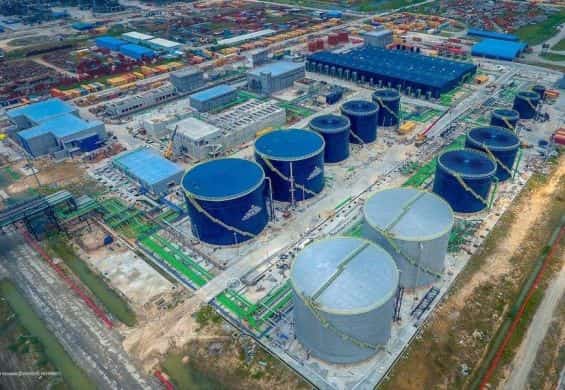
Category: Investment / Nigerian Stock Market
The Middle East is heating up, and Nigeria's oil market could feel the impact. But which NGX-listed oil and gas companies stand to benefit — and which could face rising costs?
Whenever tensions escalate in the Middle East, global oil markets pay attention. Concerns over crude oil supply, shipping routes and energy infrastructure can push oil prices higher, creating both opportunities and risks for oil-producing countries like Nigeria.
For investors on the Nigerian Exchange (NGX), this raises an important question: Could the latest geopolitical tensions create opportunities in Nigerian oil and gas stocks?
Nigeria has several listed companies operating across the petroleum value chain. Some produce crude oil and natural gas, while others focus on refining, petroleum marketing or energy services. This distinction matters because rising crude oil prices do not affect every company in the same way.
Here are seven NGX-listed oil and gas companies worth understanding as the global energy market navigates renewed Middle East uncertainty.
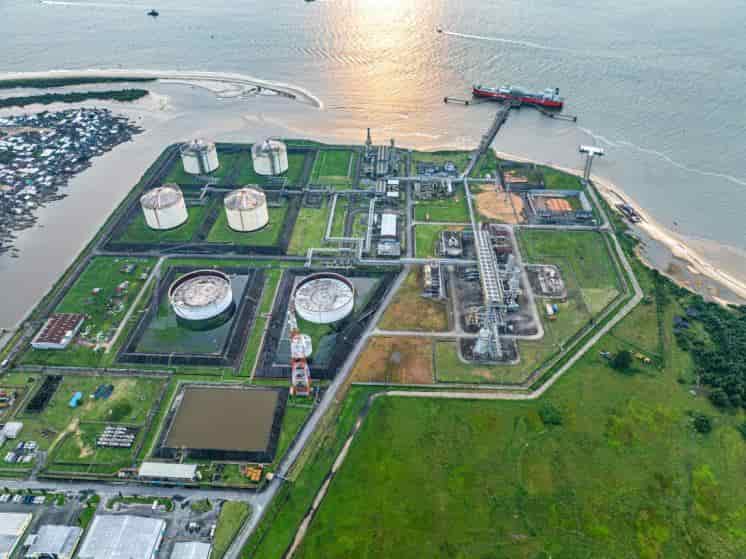
Oil
1. Seplat Energy Plc (SEPLAT)
Seplat Energy is one of Nigeria's major independent oil and gas producers, with onshore and offshore operations and a significant natural gas business.
The company reported average production of 131,506 barrels of oil equivalent per day in 2025, following the full-year contribution of its offshore assets.
Why it matters: Higher crude oil prices can improve revenue and cash flow when production remains strong. However, operating costs, taxes, production disruptions and capital expenditure still influence the company's profitability.
Seplat is one of the largest companies in the supplied NGX oil and gas market-capitalisation data, making it an important name to follow in the sector.
2. Aradel Holdings Plc (ARADEL)
Aradel Holdings is an indigenous integrated energy company with interests in oil and gas exploration, production and refining.
Its operations give investors exposure to more than one part of the petroleum value chain.
Why it matters: Higher crude prices may support upstream earnings, but refining margins, operating expenses and domestic product demand also affect performance.
Aradel's diversified operations mean investors should look beyond crude oil prices when assessing its financial results.
3. Oando Plc (OANDO)
Oando is a Nigerian energy group with upstream oil and gas operations and interests across the wider energy industry.
Its expansion in the upstream segment has increased the importance of production volumes, asset performance and financing costs to its financial outlook.
Why it matters: A sustained increase in crude prices could support upstream revenue, provided production and other operating conditions remain favourable.
Investors should also monitor Oando's debt, cash flow, capital expenditure and ability to generate sustainable earnings.
4. TotalEnergies Marketing Nigeria Plc (TOTAL)
TotalEnergies Marketing Nigeria operates in the downstream petroleum market, focusing on petroleum products marketing and distribution.
Unlike crude oil producers, petroleum marketers do not automatically benefit when crude prices rise.
Why it matters: Higher global oil prices can increase product sourcing costs. The effect on profitability depends on pricing, supply arrangements, sales volumes and the margins the company can maintain.
5. Conoil Plc (CONOIL)
Conoil is a major name in Nigeria's petroleum products marketing and distribution business.
Its performance is influenced by fuel demand, product supply costs, distribution expenses and working capital.
Why it matters: Higher oil prices may create additional cost pressures for petroleum marketers. Investors should examine whether the company can maintain healthy margins as market conditions change.
6. Eterna Plc (ETERNA)
Eterna operates in the downstream petroleum and energy products market, including petroleum products and lubricants.
The company's performance depends on product sales, supply costs, operating efficiency and profitability across its business lines.
Why it matters: Rising global energy prices can increase procurement and working-capital requirements. However, the effect on earnings will depend on product mix, pricing and the company's ability to manage costs.
7. Japaul Gold & Ventures Plc (JAPAULGOLD)
Japaul Gold & Ventures is included in the NGX oil and gas sector classification under energy equipment and services.
Its exposure differs from that of a conventional crude oil producer.
Why it matters: Sustained higher oil prices may encourage energy-sector investment and demand for oilfield services. However, the benefits depend on contracts, project execution, customer spending and the company's financial position.
Investors should examine its latest business activity and financial results rather than assume its share price will move in line with crude oil prices.
NGX Oil and Gas Companies: Market Capitalisation
The following figures were supplied for this article. They are not independently verified live NGX quotes and should be checked against current market data before publication.
| Company | Ticker | Market Capitalisation |
| Seplat Energy | SEPLAT | ₦8,943,853,526,475.80 |
| Aradel Holdings | ARADEL | ₦6,734,508,758,000.00 |
| Oando | OANDO | ₦422,668,024,354.00 |
| TotalEnergies Marketing Nigeria | TOTAL | ₦195,564,578,112.00 |
| Conoil | CONOIL | ₦145,729,944,570.00 |
| Eterna | ETERNA | ₦76,517,308,175.00 |
| Japaul Gold & Ventures | JAPAULGOLD | ₦35,799,381,307.16 |
Seplat and Aradel have the largest market capitalisations in this snapshot. However, market capitalisation alone does not determine whether a stock is undervalued or likely to deliver higher returns.
Which NGX Oil Stocks Could Benefit Most From Rising Oil Prices?
The answer depends on the type of business.
| Company | Main Business Exposure | Key Factor to Monitor |
| Seplat | Oil and gas production | Realised oil prices and production |
| Aradel | Production and refining | Upstream earnings and refining margins |
| Oando | Upstream and integrated energy | Production, debt and cash flow |
| TOTAL | Petroleum marketing | Product margins and supply costs |
| CONOIL | Petroleum marketing | Sales and profitability |
| Eterna | Downstream and energy products | Margins and working capital |
| JapaulGold | Energy equipment and services | Contracts and project activity |
Oil producers may benefit directly from higher crude prices, while downstream marketers may face higher procurement costs. Energy-services companies may benefit indirectly if higher prices encourage more investment in oil production.
None of these outcomes is guaranteed, and share prices may already reflect expectations of higher oil prices.
The Risks Nigerian Investors Should Not Ignore
Before buying oil and gas stocks because of Middle East tensions, investors should consider a few important risks.
Oil prices can reverse. If geopolitical tensions ease or supply disruptions decline, crude prices may fall, potentially reducing the benefits of an oil-price rally.
Higher oil prices can increase domestic costs. Nigeria may earn more from crude exports, but higher energy prices can also affect transportation, logistics, food prices and business operating costs.
Strong revenue does not always mean strong profits. Production challenges, debt, taxes, capital expenditure and operating expenses can limit the benefits of higher oil prices.
Valuation matters. Even a company reporting strong earnings can experience a share-price decline if investors had already priced in better results.
Final Thoughts: Watch the Fundamentals, Not Just the Headlines
The Middle East crisis has once again placed energy markets in the spotlight. For investors on the NGX, Nigeria's listed oil and gas companies provide different forms of exposure to the sector.
Seplat, Aradel and Oando have significant upstream operations. TOTAL, CONOIL and Eterna operate in petroleum marketing, while JapaulGold has exposure to energy equipment and services.
The key question is not simply which company has exposure to oil. It is which business can turn its operations into sustainable earnings and cash flow at a valuation that makes sense.
Before making an investment decision, compare the latest financial statements, debt levels, dividend history, current share prices and valuation metrics.
A geopolitical crisis may move the oil market, but a company's financial performance is what investors ultimately need to understand.
Disclaimer: This article is for informational and educational purposes only. It is not financial advice or a recommendation to buy or sell any security. Market capitalisation figures were supplied for this article and have not been independently verified as live quotes. Always conduct your own research and consult a qualified financial adviser where appropriate.
Keep reading
Related Topics




Conversation
Comments (0)
Sign in to join the conversation or like this post.

Mujeeb Olagunju
I am a finance professional with a strong background in economics and financial technology.,My work centers on building systems that support payments, digital banking, and investment solutions in emerging markets.,I have experience with risk management, transaction monitoring, fraud prevention, and the design of scalable financial products tailored to both retail and institutional clients.,With over 8 years of industry experience, I combine financial insight with technical expertise to deliver solutions that balance compliance, security, and business growth.,My goal is to bridge the gap between finance and technology, creating platforms that expand access to modern financial services and strengthen trust in digital finance.
58
Stories
16727
Reads
0
Likes
0
Comments