

If there's one profession that has dominated relocation conversations in recent years, it's nursing. Spend enough time on Nigerian social media and you'll eventually come across a nurse sharing a relocation success story, celebrating a new job abroad, or explaining why they decided to leave Nigeria in the first place.
The reason isn't difficult to understand. Nurses play a critical role in healthcare systems around the world, yet the financial realities of nursing can look different depending on where you're working. For many professionals, the conversation is more about income, career growth, quality of life, and financial security and less about the passion for the job.
So, how much do nurses really earn in Nigeria compared to their counterparts abroad?
Nigerian Nurses Earn Far Less Than Many People Imagine
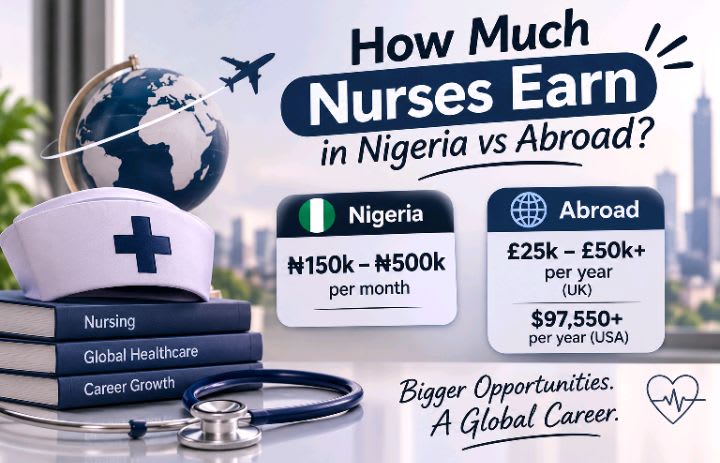
Many people assume healthcare professionals automatically earn high salaries. The reality is more complicated. According to recent salary breakdowns, entry-level registered nurses in Nigerian federal hospitals typically earn around ₦150,000 to ₦200,000 per month, while mid-level nurses earn roughly ₦220,000 to ₦300,000 monthly. Senior nursing officers can earn between ₦300,000 and ₦500,000 per month, depending on grade level and allowances.
Private hospitals often pay slightly better, with some specialist and senior nurses earning ₦400,000 to ₦550,000 monthly. These figures vary widely by hospital type (federal, state, or private), qualification, location, and allowances.
Those figures might not look terrible. Then reality starts sending invoices with rent entering the group chat. Add transportation, food, electricity, internet, family responsibilities, and other living costs, and many nurses find that their income doesn't stretch nearly as far as they would like. This is one reason why conversations about relocation continue to gain momentum within the profession.
A UK-Based Nurse Can Earn More in a Year Than Some Nigerian Nurses Earn in a Decade
The United Kingdom remains one of the most popular destinations for Nigerian nurses. Under the National Health Service (NHS) pay structures, nurses can earn between approximately £25,000 and over £50,000 annually, depending on experience and pay band. Senior positions can earn significantly more. When converted to naira, those earnings often appear shocking to many Nigerians.
Of course, life in the UK comes with higher expenses. Rent, taxes, transportation, insurance, and utility bills all consume a portion of income. However, many nurses still report being able to save more, invest more, and plan for the future more comfortably than they could back home. The attraction is what remains after the bills have been paid.

The United States Offers Some of the Highest Nursing Salaries
If the UK gets most of the attention, the United States gets most of the salary envy. According to the U.S. Bureau of Labor Statistics, registered nurses earned a median annual salary of $97,550 in May 2025. This means half of registered nurses earned more than that amount, while the other half earned less. The highest-paid 10% of nurses earned more than $137,470 annually, reflecting the higher earning potential available to experienced nurses and those in specialized roles. However, salaries may vary depending on factors such as location, experience, qualifications, and area of specialization. Nurses working in states with higher living costs may earn more, but they also face higher expenses.
That's one reason nursing has become one of the strongest pathways for skilled migration. The earning potential can be transformative. However, the pathway isn't simple. Licensing examinations, credential evaluations, visa processes, and relocation costs all require significant planning and investment.
The Biggest Difference Is Purchasing Power
A common mistake people make is comparing salaries alone. The more important question is, what can that salary actually buy?
A nurse earning ₦250,000 monthly in Nigeria may spend a significant portion of their income on transportation, rent, food, and basic living expenses. Meanwhile, a nurse earning abroad may face higher costs but still have greater room for savings, investments, retirement contributions, and major life goals, depending on their location and expenses.
This is why many nurses focus less on salary conversion and more on purchasing power. Ultimately, financial well-being is about purchasing power, not just income.
Nigerian Nurses Are Increasingly Thinking Globally
Perhaps the biggest change isn't just the salary difference. There's also a shift in mindset. A growing number of Nigerian nurses are no longer viewing their careers solely through a local lens. Instead, they're pursuing international certifications, researching foreign healthcare systems, improving their qualifications, and positioning themselves for opportunities wherever demand exists.
The internet has made it easier to access information about licensing pathways, educational requirements, and global nursing opportunities. As a result, many professionals are planning their careers with a global strategy. Whether they eventually relocate or remain in Nigeria, they're investing in skills and credentials that expand their options. And in today's economy, having options is often one of the most valuable assets a professional can possess.
Relocating Isn't the Instant Jackpot Many People Imagine
Social media has a way of making relocation look effortless. You see the airport pictures. You see the new apartment. You see the smiling videos.
What you don't always see are the exams, licensing requirements, application fees, visa costs, document verification processes, and months or even years of preparation that often happen behind the scenes.
Relocating as a nurse can be financially rewarding, but it also requires patience, planning, and significant effort. Many healthcare professionals invest heavily in qualifying exams, certifications, and migration processes before they start enjoying the benefits. Ultimately, relocating requires a clear understanding of what lies ahead; it isn't a lottery ticket.
CONCLUSION
The conversation about nurses' salaries isn't really about comparing countries or numbers. More healthcare professionals are increasingly looking beyond Nigeria's borders in search of better opportunities. For many nurses, the appeal of working abroad extends beyond the paycheck. It also comes with opportunities for career development, financial security, professional recognition, and the ability to build a more stable future.
These differences in earnings and working conditions have made international opportunities an increasingly important consideration for Nigerian nurses. However, relocating still comes with its own challenges, from meeting licensing requirements to adjusting to new healthcare systems and higher living costs. As more nurses weigh these factors, the decision to work abroad is becoming an important part of conversations about the future of nursing in Nigeria.
Found this useful? Share it
Help friends, family and colleagues stay informed on Nigerian finance.
Keep reading
Related Topics






Conversation
Comments (0)
Sign in to join the conversation or like this post.

Hep
Hep contributes reporting and analysis for NaijUp, covering the stories, markets, and business trends shaping Nigeria.
14
Stories
1265
Reads
0
Likes
0
Comments