
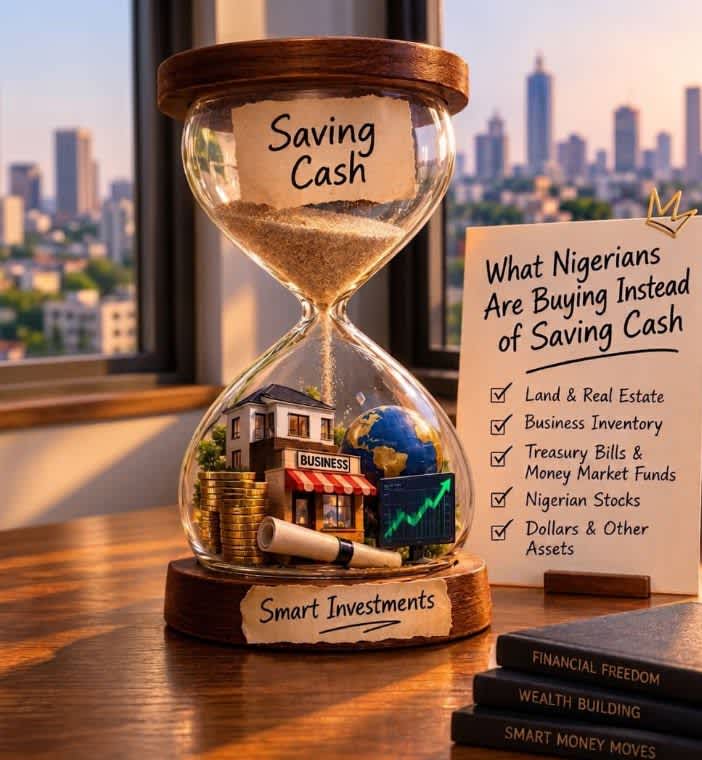
Saving money used to feel like the responsible thing to do. Get paid. Move some money into your savings account. Sleep peacefully knowing you're prepared for the future.
These days, many Nigerians are looking at their savings accounts the way people look at melting ice cream. By the time you come back, a noticeable chunk of the value is gone.
With inflation making money lose purchasing power faster than many people can earn it, there's been a shift in behavior. Instead of holding large amounts of cash, many Nigerians are putting their money into things they believe can hold value, generate income, or save them money down the road.
Here are some of the things people are increasingly buying instead of simply saving cash.
1. Land and Real Estate
If you ever want to start an argument in Nigeria, ask people whether land is a good investment. Actually, don't. The answer is already decided.
For many Nigerians, land is the ultimate store of value. Markets can crash. Currencies can fluctuate. Prices can rise. But in the middle of all that uncertainty, a plot of land tends to make people feel secure.
This explains why people are buying land in developing areas even when they have no immediate plans to build.
The thinking is simple: the money sitting in a bank may have less purchasing power in a few years, but that same money tied to a piece of land may appreciate over time. And honestly, looking at how real estate prices have moved over the years, it's not difficult to see why.
2. Business Inventory and Stock
These days, many Nigerians aren't just buying products to sell. They're buying them before inflation gets there first.
Small business owners across various industries are stocking up on supplies and inventory whenever they can afford to because they've learned an expensive lesson: tomorrow's price is rarely lower than today's.
A trader who can buy ten cartons today may decide to buy fifteen because there's a good chance replacing them next month will cost more. This behavior has become especially common among retailers, wholesalers, restaurant owners, and people who rely on raw materials for their businesses.
In many cases, inventory is seen as a way of preserving value and protecting future profit margins. After all, if you know something will likely cost more tomorrow, buying today can sometimes be the smarter financial move.
3. Treasury Bills and Money Market Funds
Not everyone wants to buy land or start a side business with their spare cash. Many Nigerians simply want a safer place to keep their money while earning better returns than a traditional savings account. That's why treasury bills, savings bonds, and money market funds are becoming increasingly popular. These options allow people to put their money into relatively low-risk investments while earning returns that can help cushion the effects of inflation.
Instead of watching money sit idle in an account, investors are looking for ways to make it work a little harder. And thanks to digital investment platforms, getting started is much easier than it used to be. Treasury bills and money market funds have become the middle ground between saving and investing. They offer a way to preserve wealth without taking on the kind of risks associated with more volatile investments.
4. Nigerian Stocks and Equities
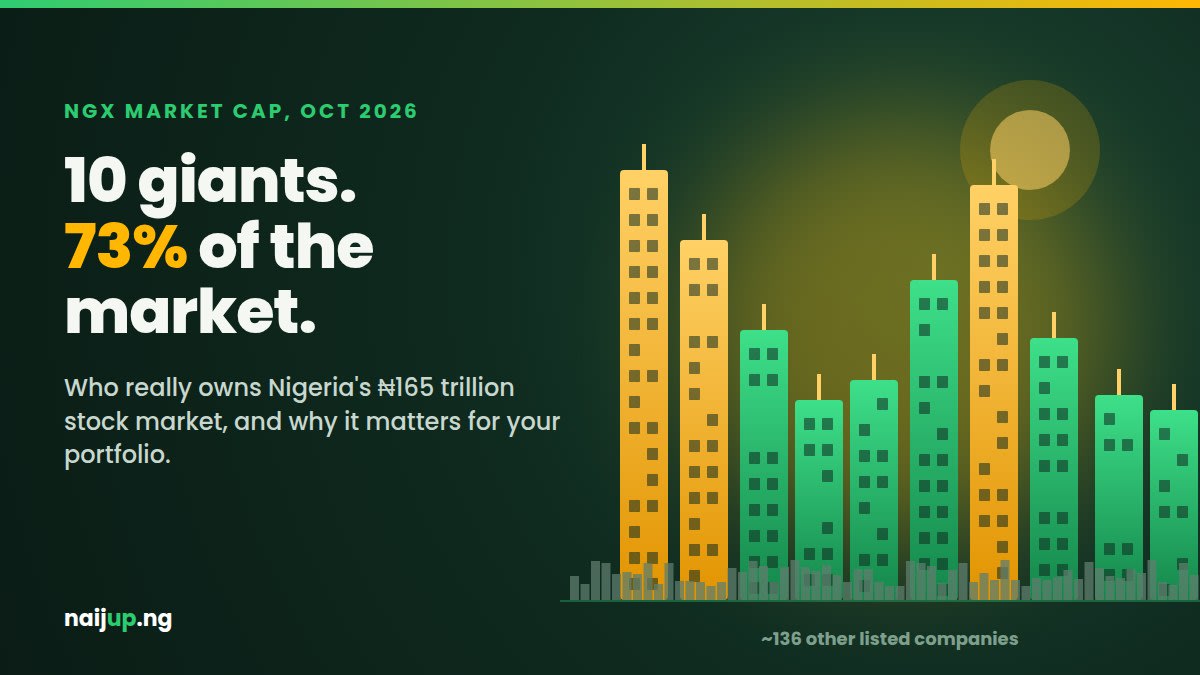
Not too long ago, many Nigerians viewed the stock market as something reserved for financial experts in suits. That perception is gradually changing. A growing number of retail investors are putting money into shares of established companies, particularly those with strong earnings records and a history of paying dividends.
If prices are rising across the economy, owning part of businesses that benefit from those rising prices can help protect your purchasing power. Unlike cash, which can lose value over time, shares offer the potential for both capital appreciation and dividend income.
Of course, stock investing comes with risks, and prices can move up or down. But the stock market is becoming an alternative to simply leaving money untouched in the bank.
5. Dollars and Other Alternative Stores of Value
Some Nigerians are choosing to convert part of their money into assets they believe can better preserve value over time.
For some, that means holding foreign currencies. For others, it involves exploring various investment opportunities instead of keeping all their money in cash.
The motivation is largely driven by concerns about inflation and purchasing power. People want assets that can help protect the value of their money over the long term.
This doesn't mean abandoning the naira altogether, but many individuals are becoming more conscious of diversification and the importance of not keeping all their wealth in one form.
CONCLUSION
People are becoming more intentional. They're looking beyond immediate gratification and focusing on things that can preserve value, generate income, or protect them against future uncertainty.
Saving remains important. But in today's economy, many Nigerians understand that building wealth often requires more than accumulating cash.
The conversation is gradually changing from "How much do you have?" to "What is your money doing for you?”
In many ways, this shift reflects a broader reality of modern Nigeria: simply saving money no longer feels enough.
Found this useful? Share it
Help friends, family and colleagues stay informed on Nigerian finance.
Keep reading
Related Topics

Conversation
Comments (0)
Sign in to join the conversation or like this post.

Hep
Hep contributes reporting and analysis for NaijUp, covering the stories, markets, and business trends shaping Nigeria.
10
Stories
927
Reads
0
Likes
0
Comments