The Safe Bet That Never Misses — Inside Nigeria’s FGN Bonds
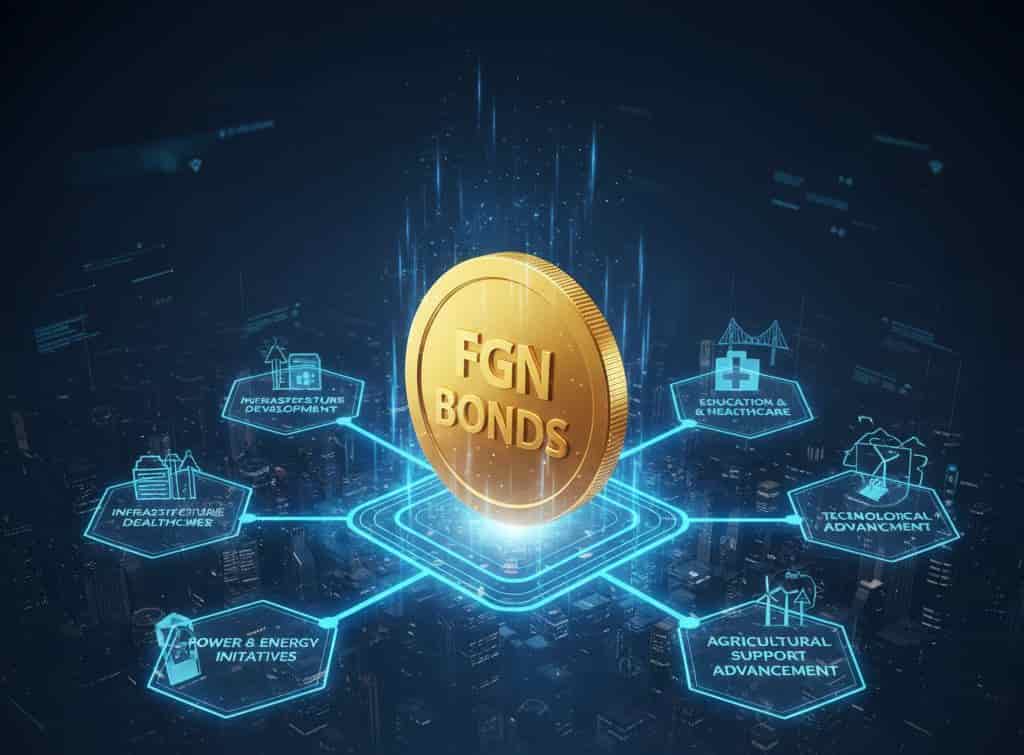
In the first half of 2025, Nigeria's Debt Management Office (DMO) raised over $6.17 trillion through domestic borrowing to finance the government's deficit, with Federal Government Bonds (FGN Bonds) making up nearly 80% of that total.
While everyone’s chasing quick wins in crypto, stocks, and other investments, there’s one investment that has quietly anchored Nigeria’s financial system for decades - the FGN Bond.
These debt securities, issued by the Debt Management Office (DMO) on behalf of the Federal Government, are essentially IOUs (I Owe You) from the government. When you buy one, you’re lending money for a fixed period, and in return, the FGN guarantees interest payments (coupon) and full repayment at maturity.
It’s as safe as it gets: zero default risk, historically consistent, and the interest you earn is tax-free, a rare gift in the world of finance.

Why FGN Bonds Matter
Beyond personal investing, FGN Bonds play a major role in Nigeria’s financial ecosystem:
1. It finances government deficits and projects sustainably (without fuelling inflation).
2. Enhances fiscal discipline and supports monetary policy management.
3. Sets benchmark interest rates, guiding banks and corporations in pricing their debt.
4. Restructure short-term debt into long-term obligations and ensure market liquidity.
5. Deepen the domestic bond market and expand savings and investment opportunities.
6. Diversify government financing sources.
Types of FGN Bonds
FGN Bonds aren’t all the same. They come in a few key varieties, each designed for specific purposes:
1. Conventional (Vanilla) Bonds: These are your standard government bonds, fixed interest, fixed maturity, predictable returns.
2. Savings Bonds: Targeted at retail investors (everyday Nigerians), usually with lower entry amounts and shorter tenors.
3. Sukuk (Islamic Bonds): Sharia-compliant bonds that don’t pay interest but generate returns through profit-sharing or asset-backed projects.
4. Green Bonds: Issued to fund environmentally sustainable projects like renewable energy and climate resilience initiatives
5. Special Purpose Bonds: Created for specific national projects or debt restructuring efforts (e.g., AMCON or infrastructure bonds).
Each type has its audience, from large institutional investors to individuals just starting their investment journey.
Final Thought
So while most investors chase short-term gains, FGN Bonds quietly do the heavy lifting, keeping the economy funded, stable, and investable.
They may not trend on social media or promise overnight returns, but they remain the backbone of Nigeria’s domestic debt market: steady, predictable, and quietly powerful.
References
https://www.dmo.gov.ng/fgn-bonds
https://www.firstbanknigeria.com/business/treasury/fgn-bonds/
Comments (0)
Please sign in to post a comment