
Nigeria Is Betting on a New Google Cable, and It Means More Than Faster Internet
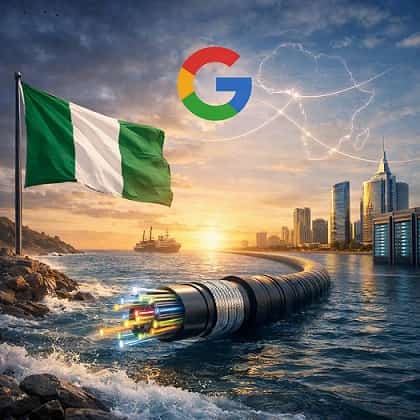
Nigeria is in advanced talks with Google to lay a new undersea fibre-optic cable, and while it might sound like a niche tech upgrade, this move is actually about something much bigger: economic resilience.
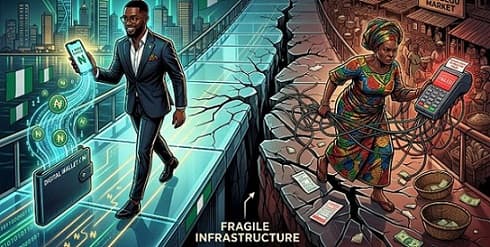
After a series of internet outages that disrupted banking, fintech, communications, and everyday online activity, the message is clear: Nigeria’s digital backbone is too fragile for the ambitions it’s chasing. When undersea cables fail, financial transactions stall, digital platforms go dark, and businesses bleed money by the hour. As the economy becomes more digital, the cost of these disruptions keeps rising.
Why One Cable Route Could Spell Disaster
A large share of Nigeria’s internet traffic runs through undersea cables that land along similar West African corridors to Europe. Sounds efficient, until something goes wrong.
Kashifu Inuwa Abdullahi, Director General of the National Information Technology Development Agency (NITDA), warns that this creates a dangerous “single point of failure.” A cable cut, equipment fault, or even a stray ship anchor could knock out connectivity across the country.
That vulnerability puts Nigeria’s digital economy ambition at serious risk.
Why Google Is Involved
Google isn’t new to Nigeria’s digital story. Its Equiano cable already lands in the country, boosting capacity, resilience, and lowering latency. But this proposed new cable would add something arguably more important than speed: backup routes.
More routes mean fewer nationwide meltdowns when something goes wrong.
This fits neatly into Google’s broader Africa strategy. The company plans to roll out four digital infrastructure hubs across the continent to support its undersea cable systems and improve network performance. Nigeria, Africa’s most populous country, is a natural anchor point.
A Google spokesperson has confirmed talks are at an advanced stage, though details remain under wraps.
This Isn’t Just About Cables
Nigeria isn’t just chasing faster internet. The government is using connectivity as a foundation to attract deeper investment in cloud services, data centres, and high-performance computing.
Why? Because faster internet without computing power is like having a highway with no cars, it looks impressive, but it goes nowhere. Advanced digital tools, including artificial intelligence, require serious infrastructure behind the scenes.
Reliable cloud access affects everything from fintech and e-commerce to public administration and digital identity systems. Without it, Nigeria can’t realistically compete as a regional tech hub. And Google isn’t the only company in the room, officials say discussions are ongoing with other global technology firms as part of a broader digital infrastructure push.
A Hard Lesson from Past Outages
Africa has seen repeated internet blackouts in recent years, often triggered by damaged subsea cables. Nigeria knows this pain firsthand.
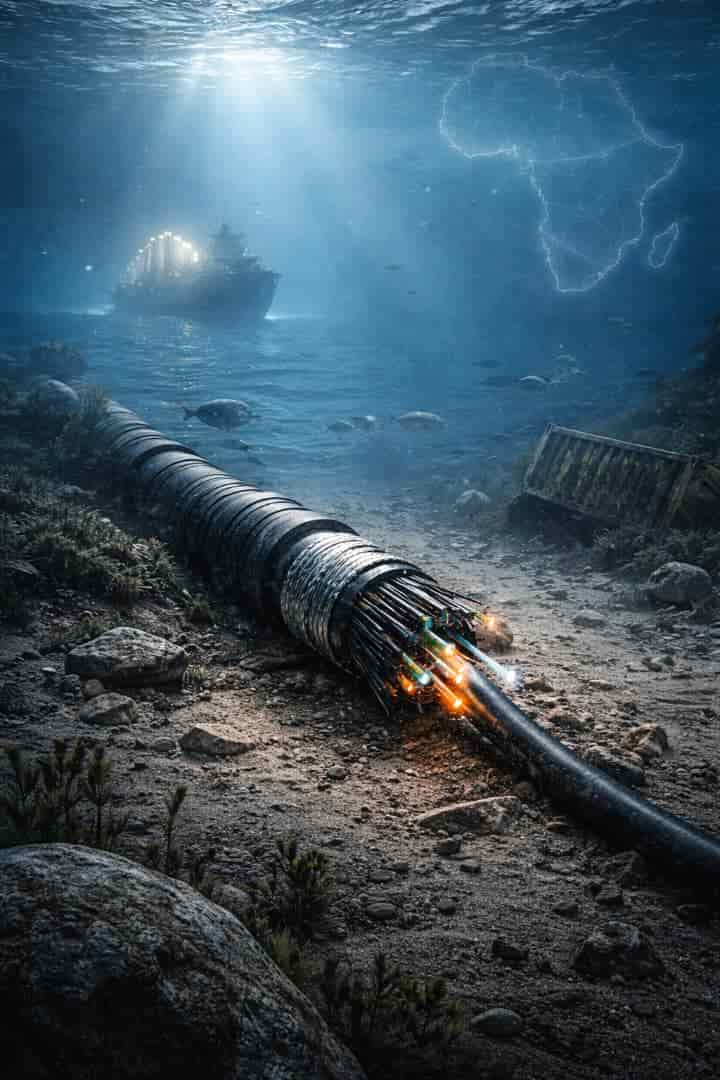
In March 2024, damage near Abidjan in Côte d’Ivoire knocked out multiple major cables, including WACS (West Africa Cable System), ACE (Africa Coast to Europe), MainOne, and SAT-3, leaving businesses paralysed for days. Banking apps stalled. Communications suffered. Productivity tanked.
To avoid a repeat, Nigeria has been pushing for a coordinated regional approach to protect shared telecommunications infrastructure and diversify connectivity routes.
The Bigger Picture: A $1 Trillion Ambition
All of this ties back to Nigeria’s stated goal of building a $1 trillion economy by 2030, a target that won’t be achieved on oil receipts alone.
Digital infrastructure is becoming a strategic asset. Reliable internet underpins everything from cross-border trade and startups to financial inclusion and government services. Countries that get this right early don’t just consume technology, they host it.
Nigeria already hosts at least nine major undersea cable systems, including Google’s Equiano and Meta’s 2Africa. Adding more capacity and diversifying routes could strengthen its position as West Africa’s digital hub.
Bottom Line
This isn’t just a Google deal. It’s a quiet but deliberate attempt to future-proof Nigeria’s economy.
In a world where internet downtime can cost millions per hour, cables are no longer just technical infrastructure; they are economic insurance.
If this deal lands, the real win won’t be faster Netflix streams. It’ll be stability, investor confidence, and a digital economy that doesn’t collapse every time the ocean sneezes.
Keep reading
Related Topics


Conversation
Comments (0)
Sign in to join the conversation or like this post.