
From Gas Flaring to Gigawatts: How Nigeria Is Turning Waste into Power and Economic Growth
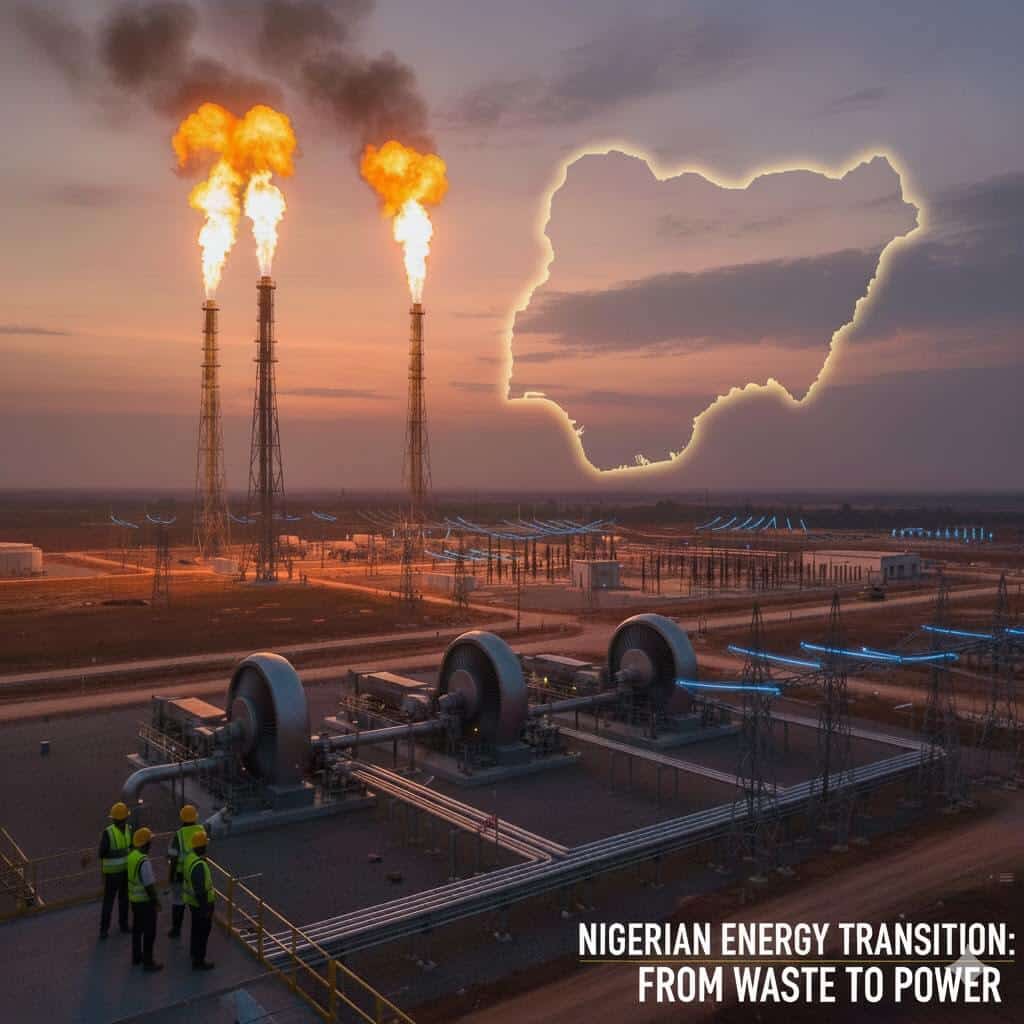
For decades, Nigeria has watched billions of cubic feet of natural gas burn into the night sky. The flames are familiar in oil-producing communities bright, constant, and costly. What is often described as “gas flaring” has long symbolised waste, environmental damage, and missed economic opportunity.
But that narrative is slowly changing.
In recent months, Nigeria has intensified efforts to convert flared gas into usable energy, jobs, and revenue. With new approvals, private-sector interest, and policy backing, the country is now pushing a transition many analysts believe could reshape power generation, reduce emissions, and unlock billions of dollars in value.
This shift, from gas flaring to gigawatts,is not just an energy story. It is a business, economic, and development story with implications for investors, manufacturers, and everyday Nigerians.
Understanding Gas Flaring in Nigeria
Gas flaring occurs when natural gas produced during crude oil extraction is burned off instead of being captured and used. In Nigeria, this practice has existed for decades due to infrastructure gaps, weak enforcement, and limited commercial incentives.
According to industry estimates, Nigeria ranks among the top gas-flaring countries globally, despite holding one of Africa’s largest natural gas reserves. The contradiction is stark: while millions of Nigerians lack access to reliable electricity, valuable gas resources are wasted daily.
The consequences have been significant:
• Loss of potential revenue running into billions of dollars annually
• Environmental pollution and health risks in host communities
• Increased carbon emissions at a time of global climate scrutiny
• Continued dependence on expensive fuel imports for power generation
These challenges have made gas flaring both an economic and reputational issue for the country.
A Policy Shift: Turning Waste into Value
In response, the Nigerian government has taken steps to reposition gas as a transition fuel, cleaner than oil, more abundant locally, and commercially viable.
One of the most important policy tools driving this change is the Nigeria Gas Flare Commercialisation Programme (NGFCP). The initiative is designed to attract private investors who can capture flared gas and convert it into useful products such as:
• Electricity for the national grid or captive power
• Liquefied petroleum gas (LPG) for domestic cooking
• Compressed natural gas (CNG) for transportation and industrial use
• Feedstock for petrochemical and fertiliser production
Rather than treating flared gas as waste, the programme treats it as a resource waiting for investment and technology.
Recent Developments Driving Momentum
In late 2025, regulators issued new approvals and permits aimed at accelerating flare-gas projects across several oil fields. These approvals have opened the door for an estimated $2 billion in investments, with the potential to generate up to 3 gigawatts of power over time.
For context, 3GW is significant in a country where total available power generation often struggles to exceed that figure consistently.
The renewed momentum signals three important shifts:
1. Improved regulatory clarity, which investors have long demanded
2. Stronger alignment between energy policy and climate commitments
3. Growing recognition that gas can support industrial growth
This has drawn interest from local energy companies, independent power producers, and international investors seeking medium-term opportunities in Africa’s energy transition.
What This Means for Nigeria’s Power Sector
Nigeria’s power sector has been constrained for years by gas supply shortages, transmission bottlenecks, and underinvestment. Ironically, gas flaring has existed alongside gas-starved power plants.
Capturing flared gas could help address this imbalance.
By channeling gas directly from oil fields to nearby power facilities, developers can reduce dependence on long pipeline networks and bypass some legacy constraints. This model,often called distributed or embedded power,is particularly attractive for industrial clusters and commercial zones.
If implemented effectively, this could lead to:
• More reliable electricity for manufacturers
• Lower operating costs for businesses running diesel generators
• Reduced pressure on the national grid
• Increased competitiveness for Nigerian industries
For small and medium-scale enterprises, improved power supply can be the difference between survival and closure.
Economic and Investment Implications
Beyond electricity, the economic upside of flare-gas utilisation is substantial.
1.Job Creation
Each gas capture project requires engineers, technicians, construction workers, logistics providers, and maintenance staff. Industry projections suggest tens of thousands of direct and indirect jobs could be created over the next decade.
2.Government Revenue
Rather than losing value through flaring, the government earns through licensing fees, taxes, and royalties from commercial gas use. This becomes increasingly important at a time when public finances are under pressure.
3.Private-Sector Growth
Gas-based industries,fertiliser, petrochemicals, LPG distribution, and CNG transport,benefit from increased feedstock availability. This strengthens value chains and deepens industrial capacity.
For investors, flare-gas projects offer relatively predictable demand, especially in a power-hungry economy like Nigeria’s.
4.Environmental and Social Benefits
While gas is still a fossil fuel, it is widely recognised as cleaner than crude oil and diesel. Reducing flaring cuts carbon emissions, soot, and harmful pollutants released into surrounding communities.
Host communities, long exposed to environmental damage, stand to gain from:
• Cleaner air and reduced health risks
• Local employment opportunities
• Improved infrastructure linked to energy projects
These benefits also improve Nigeria’s standing in global climate discussions, especially as international financiers increasingly prioritise environmental standards.
Challenges That Still Remain
Despite the optimism, converting flared gas into gigawatts is not without obstacles.
Infrastructure Gaps
Gas processing facilities, mini-pipelines, and power plants require capital and technical expertise. Delays in project execution can erode investor confidence.
Regulatory Consistency
While recent approvals are encouraging, investors remain cautious about policy reversals, enforcement gaps, and bureaucratic delays.
Financing Constraints
Global lenders are becoming more selective about fossil-fuel projects, even transitional ones. Securing affordable financing requires strong governance and clear environmental frameworks.
Community Relations
Projects located in oil-producing areas must prioritise stakeholder engagement to avoid disruptions and conflict.
Addressing these challenges will determine whether Nigeria’s flare-gas ambitions translate into measurable results.
Why This Moment Matters
Nigeria is at a crossroads.
The country faces rising energy demand, limited fiscal space, and increasing pressure to align with global climate goals. Gas flaring represents a rare opportunity where economic logic, environmental responsibility, and energy security intersect.
By converting what was once wasted into productive use, Nigeria can:
• Strengthen its power sector
• Support industrial expansion
• Create jobs without excessive public spending
• Reduce emissions while meeting energy needs
Few policy initiatives offer this combination of benefits.
The Road Ahead
The success of Nigeria’s transition from gas flaring to gigawatts will depend on execution. Clear rules, transparent licensing, and consistent enforcement must follow policy announcements.
Equally important is collaboration,between regulators, oil producers, power developers, financiers, and host communities. When incentives are aligned, flare-gas projects can move from paper to reality.
For businesses and investors watching Nigeria’s energy space, this shift is worth close attention. It may not solve all power challenges overnight, but it represents a practical step toward a more efficient and resilient energy economy.
Gas flaring has long symbolised inefficiency in Nigeria’s oil and gas sector. Today, it is being reimagined as an opportunity.
The move from flaring to power generation is not just about megawatts. It is about smarter resource use, economic diversification, and building an energy system that works for people and businesses alike.
If sustained, Nigeria’s flare-gas drive could become one of the most impactful energy transitions on the continent,turning wasted flames into lasting value.
Keep reading
Related Topics






Conversation
Comments (0)
Sign in to join the conversation or like this post.